Tactical Urbanism: Research & Design Process
Project: Urban Ocean Interfaces
This project leverages the innovation potential of the design process as a tool to discover strategic opportunities for the urgent, diverse, and complex conditions that challenge sustainable practices of the cities at the marine environment. Informed by the United Nations Sustainable Develop Goals and stakeholders, we engage with the City of Long Beach as our Lab to approach a sustainable future for them as an urban ocean city.
United Nations Sustainable Development Goals
17 Goals to transform our world
The Sustainable Development Goals are a call for action by all countries — poor, rich and middle-income — to promote prosperity while protecting the planet.
Our focus:
UN Goal 11
Make cities and human settlements inclusive, safe, resilient and sustainable
UN Goal 14
Conserve and sustainably use the oceans, seas and marine resources for sustainable development
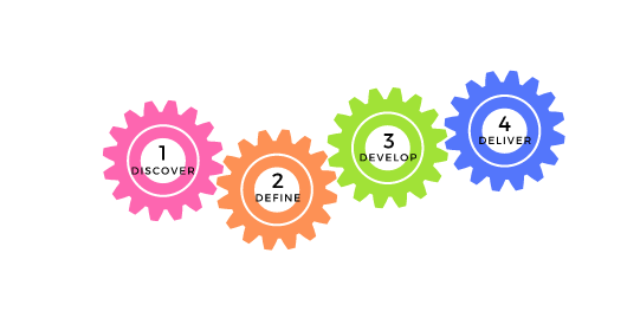
Design Process Used
Discovery:
Brainstorming / Interviews / Research Stakeholders
Define:
Mapping / Ideation
Develop:
Storyboard / Prototyping Plan
Deliver:
Prototype Design / Implement / Test
Phase 1: Discovery
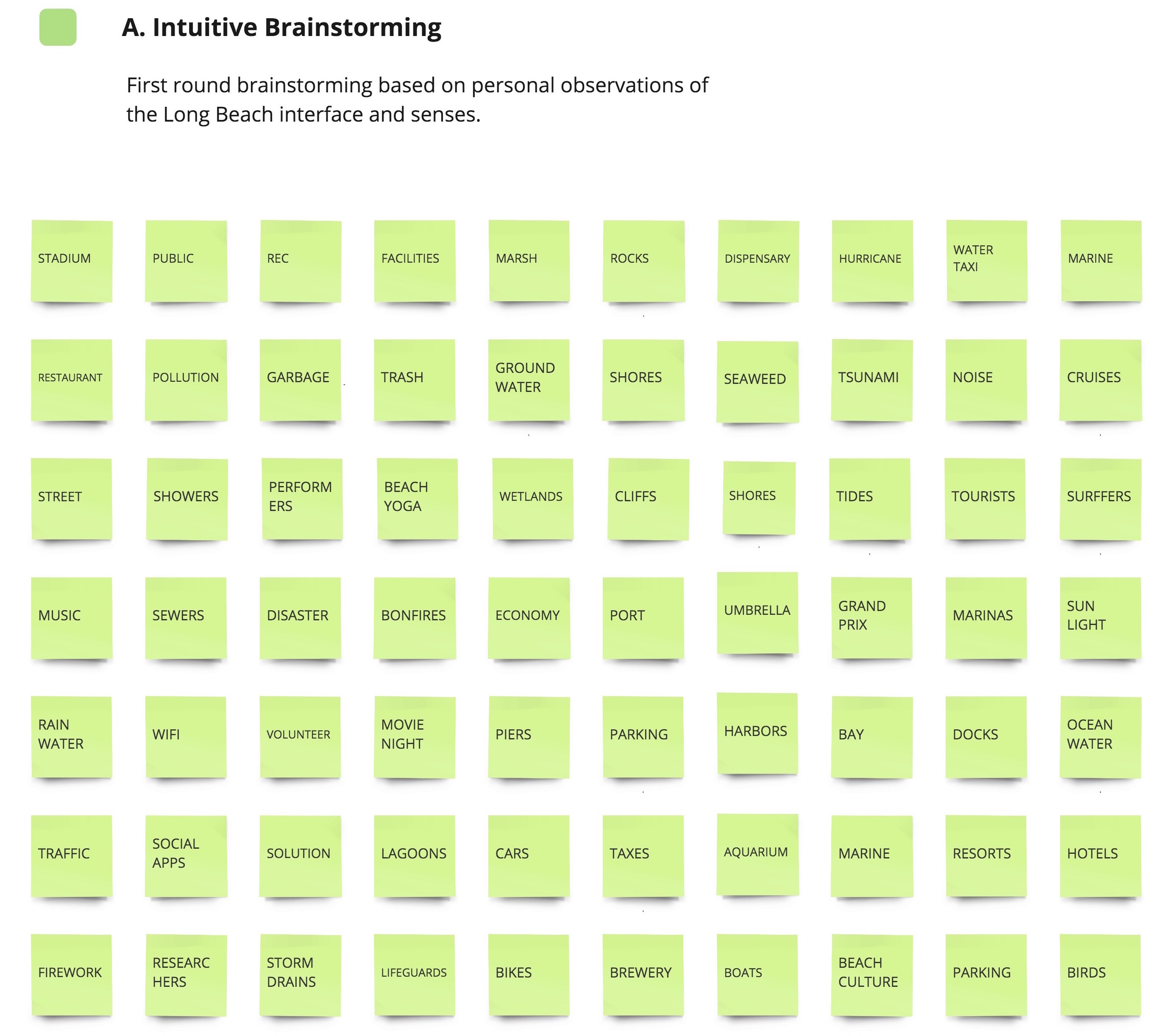
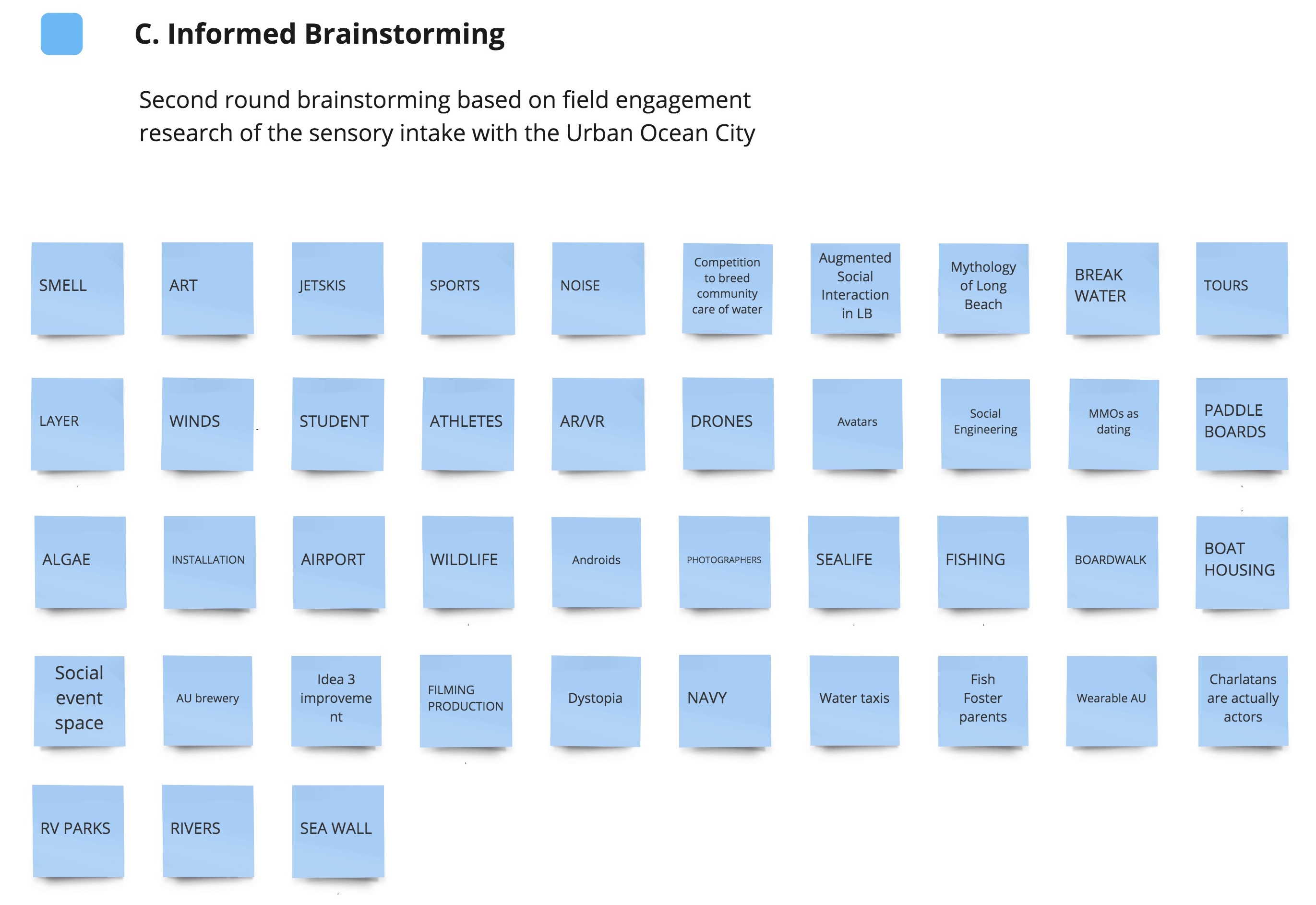
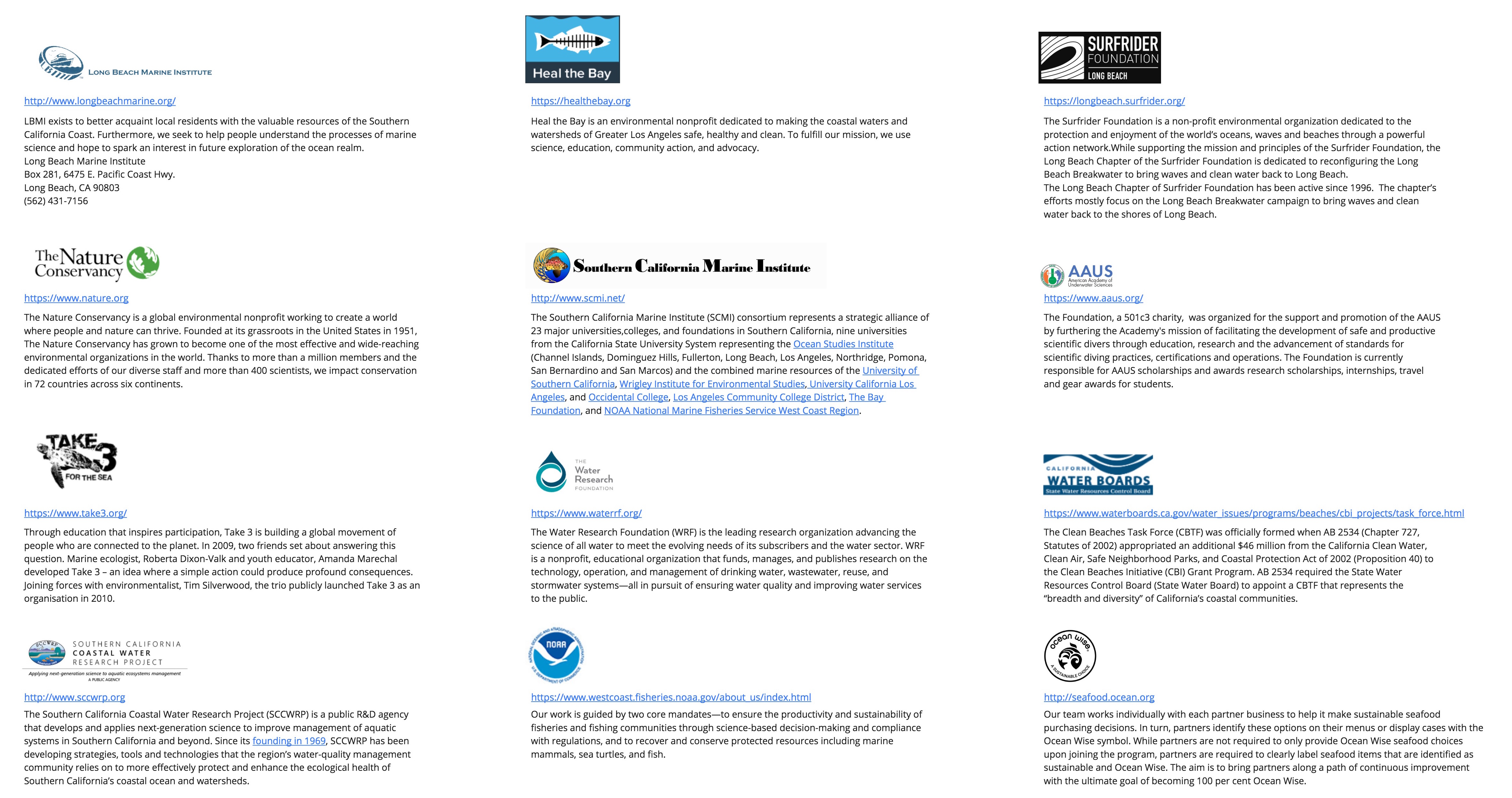
B. Research existing initiatives
( Existing initiatives and Agencies )
Ocean trash is a serious pollution problem that affects the health of people, wildlife and local economies. Trash in the water and on the shore can kill marine animals, injure swimmers and beachgoers, and ensnare boat propellers.
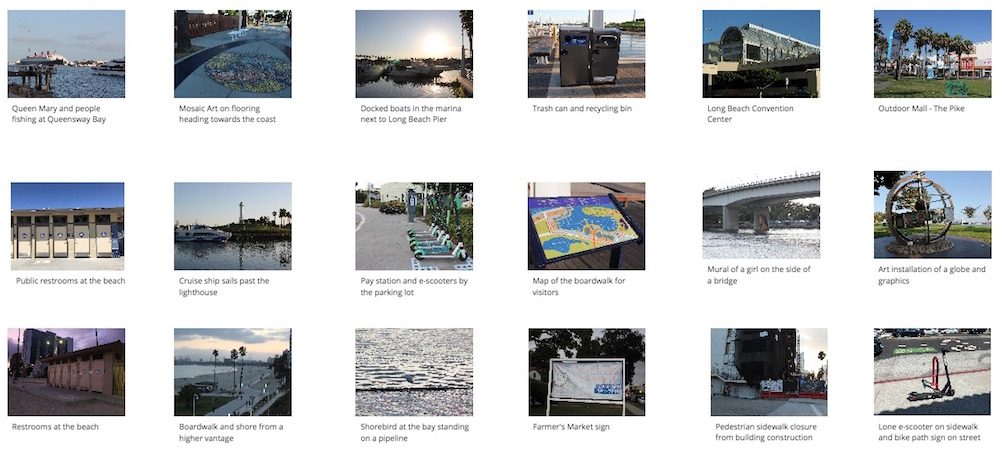
Urban Ocean Interfaces and Community
( Field Engagements )
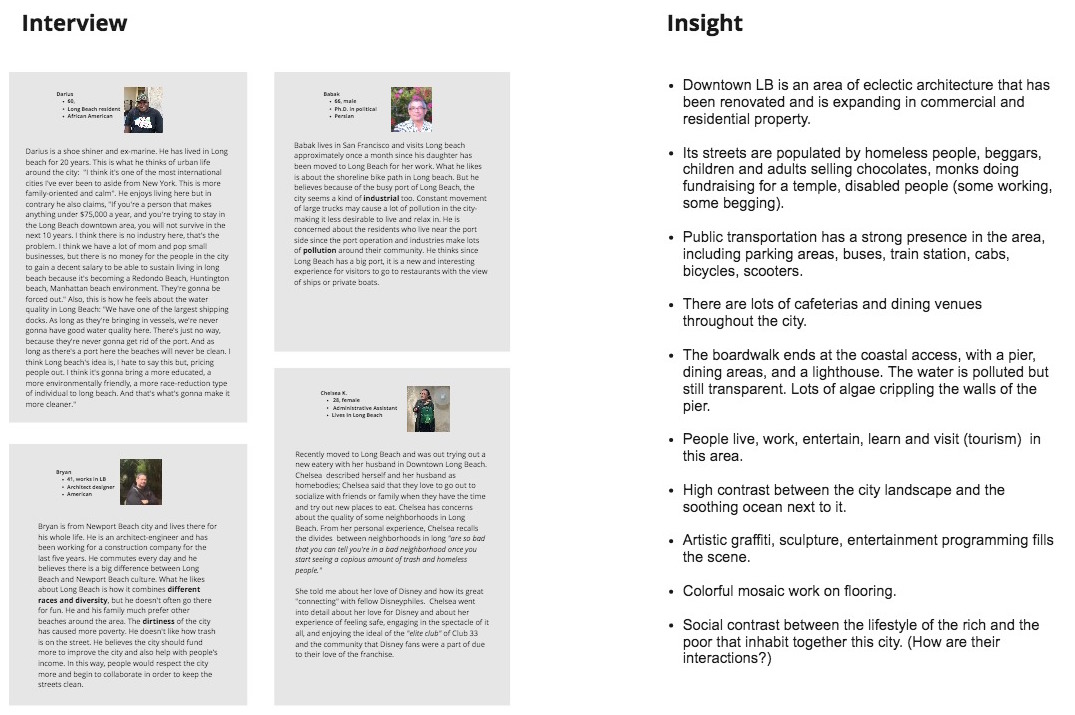
Collecting 96 images of Long Beach Interfaces
Phase 2: Define
Mapping
In this phase, we identify patterns in the data, establish the nature of the User and the User Environment.
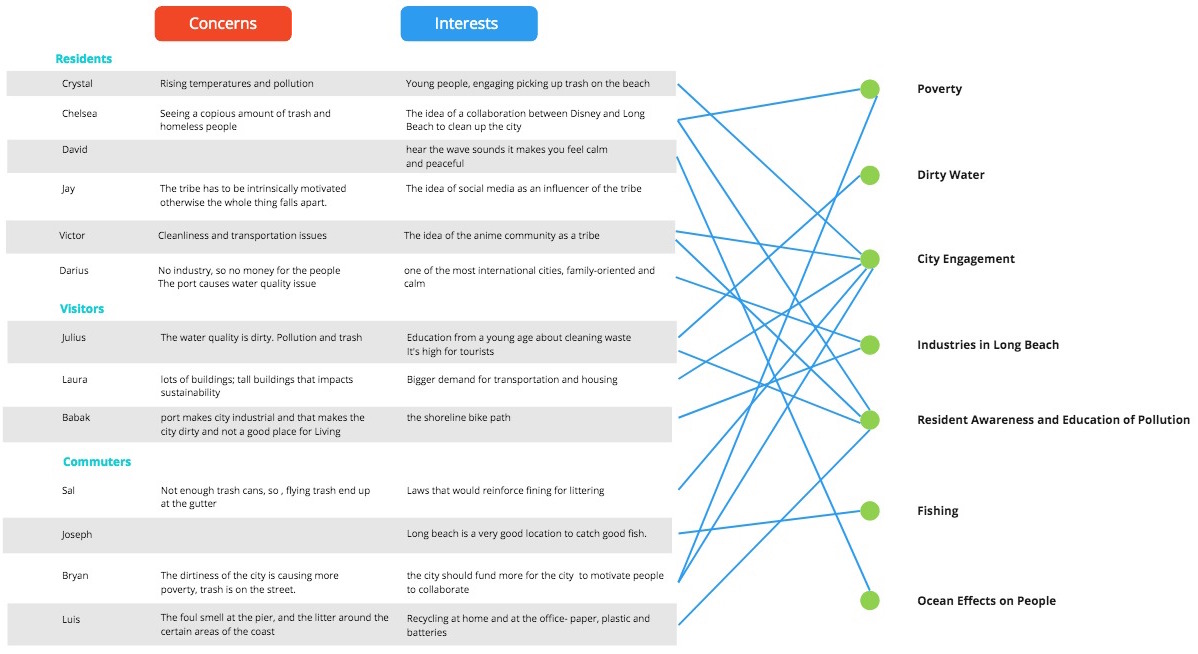
The strongest recurring themes include increasing resident awareness, city engagement and improving systems in order to address our stakeholder priorities and concerns of conservation, public safety and education.
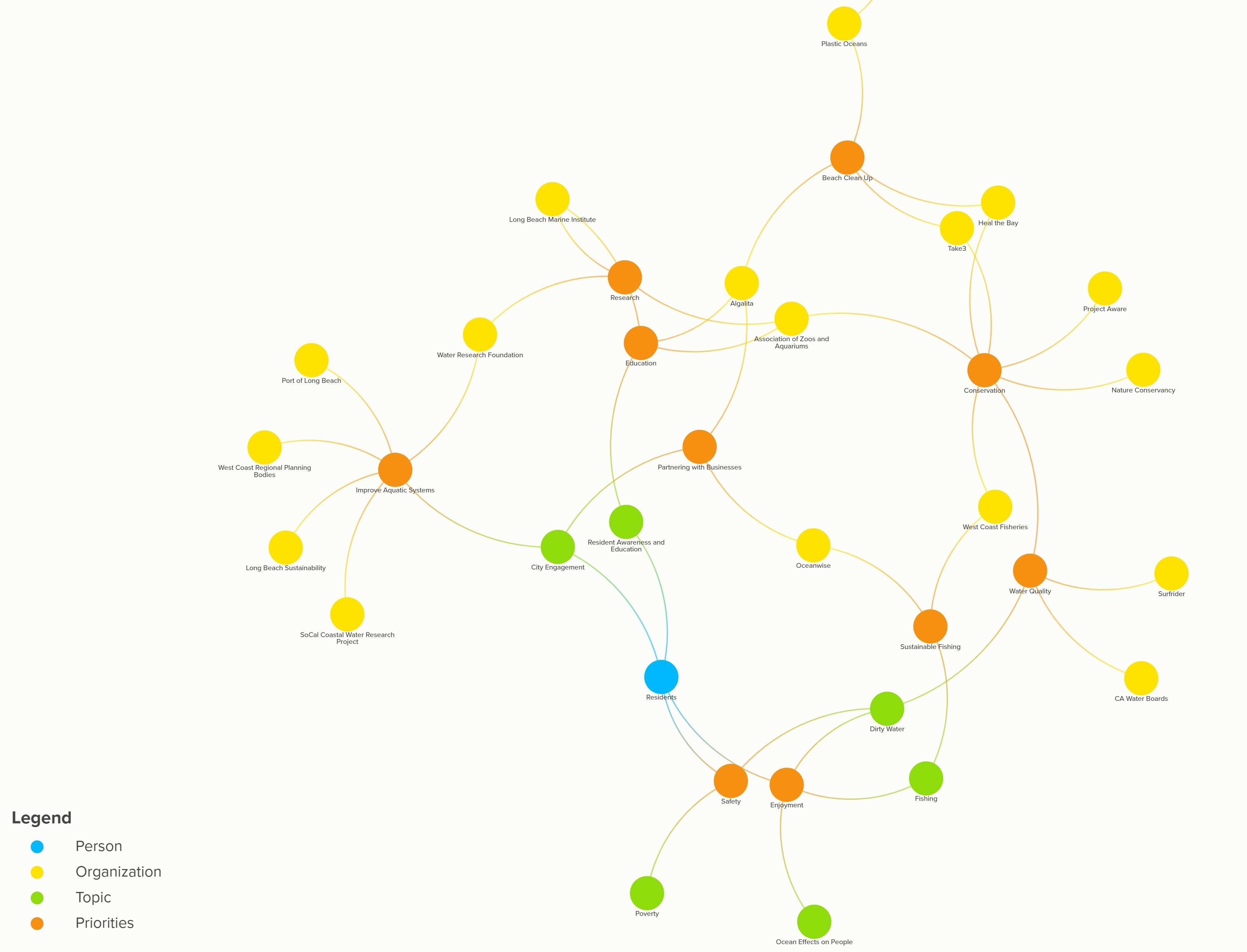
Interview and Brainstorm patterns
( Define - Theme )
Phase 3: Develop
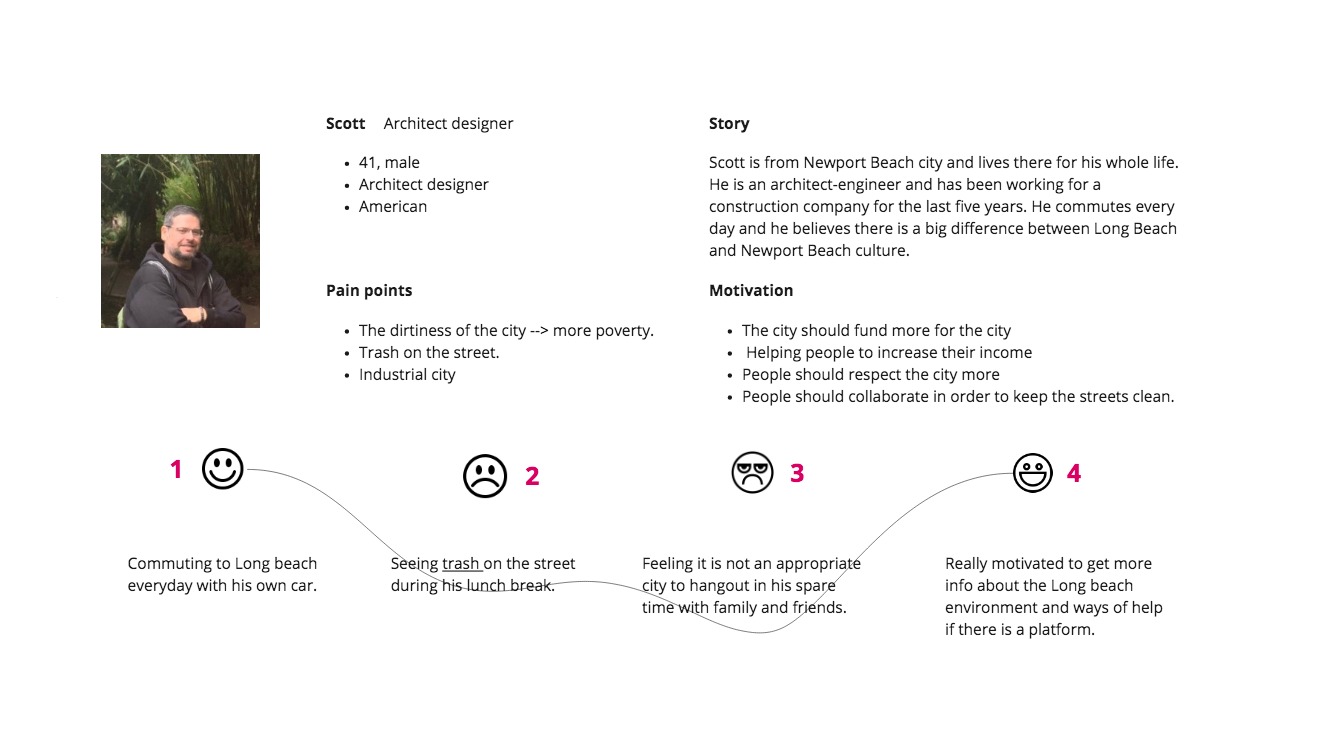
Develop and focus on Ideation
In this phase, we identify persona and user journey based on interviews, and patterns.
Phase 4: Deliver and Test
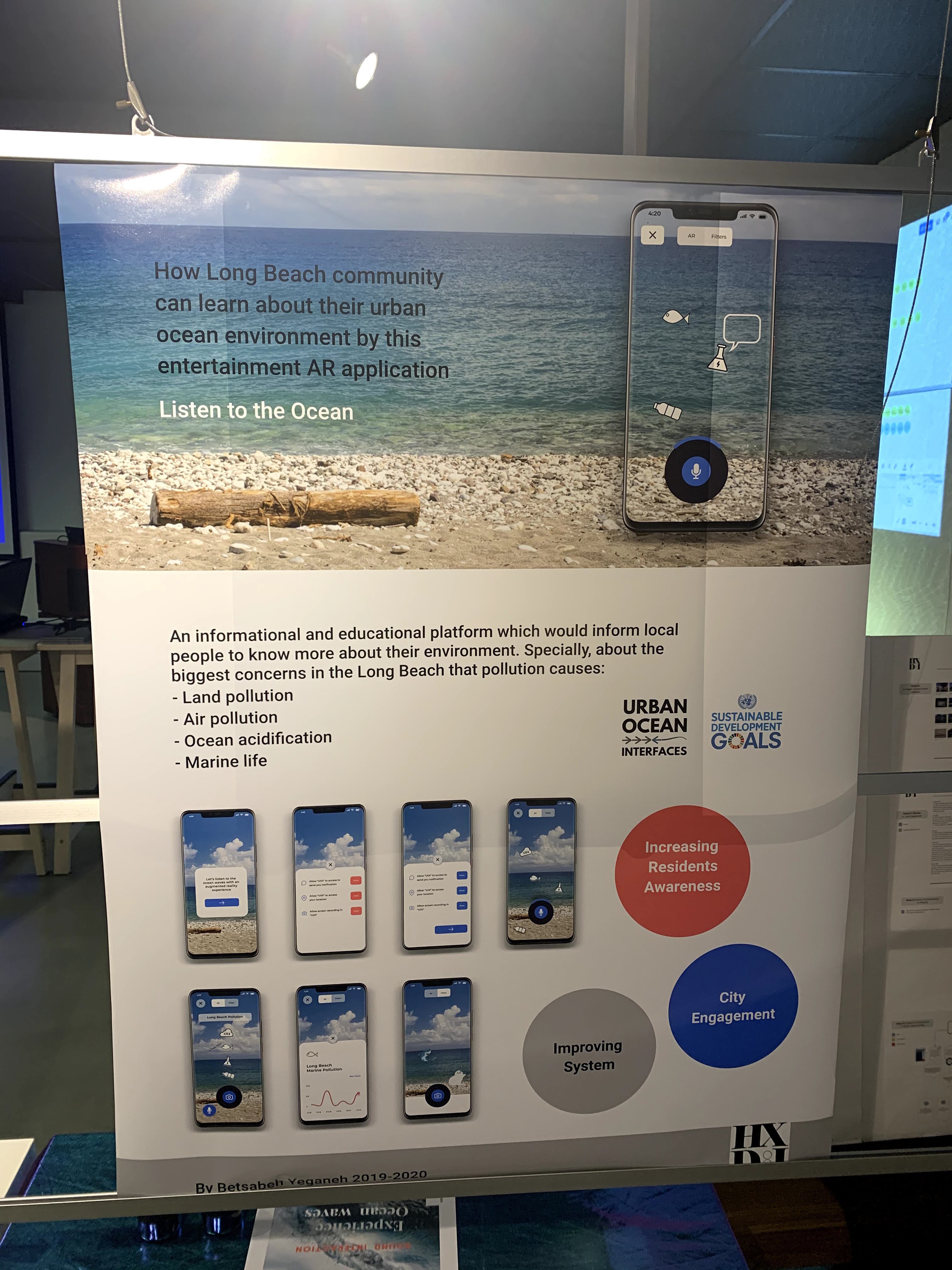
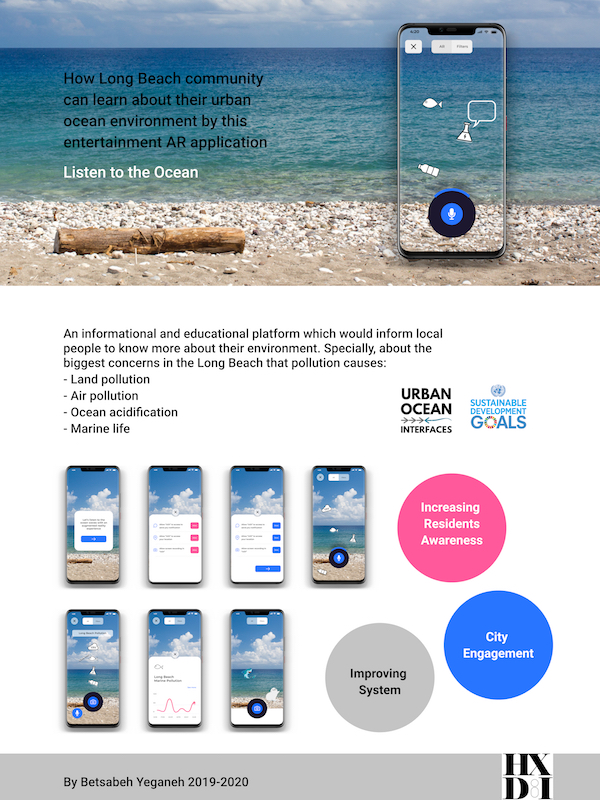
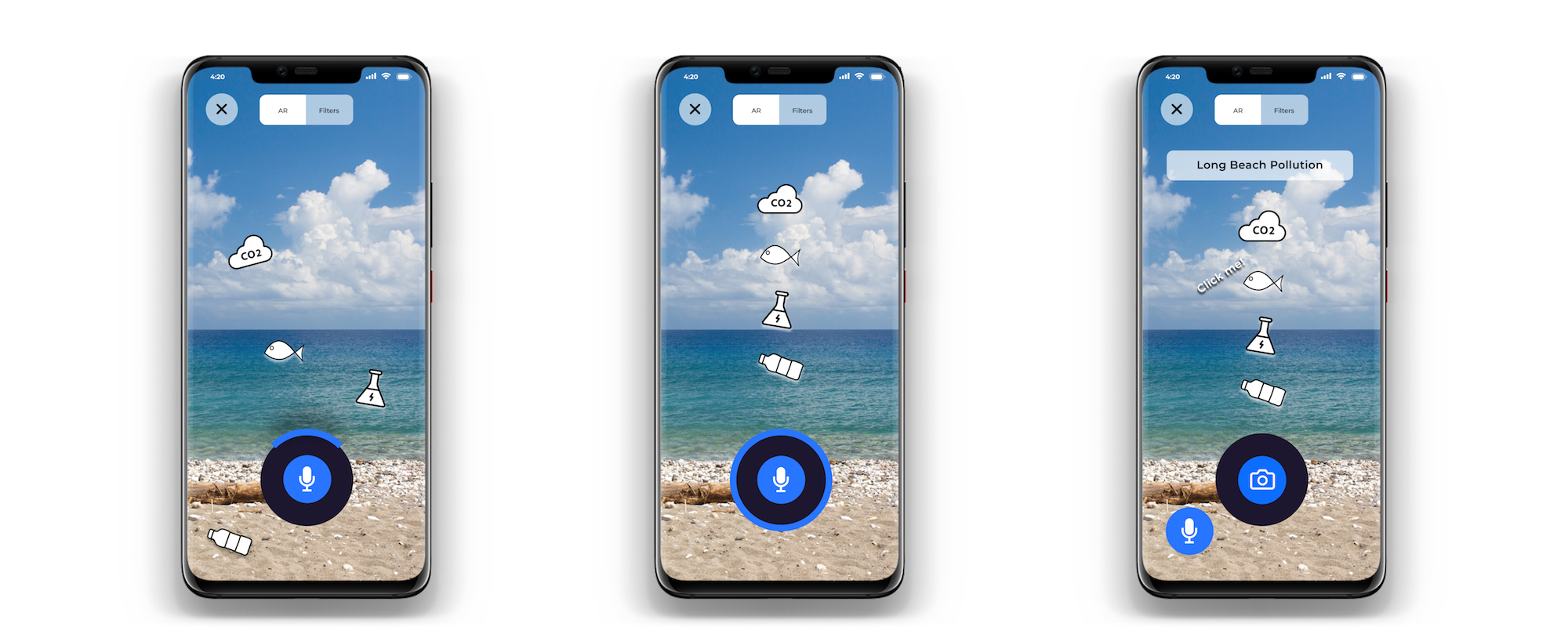
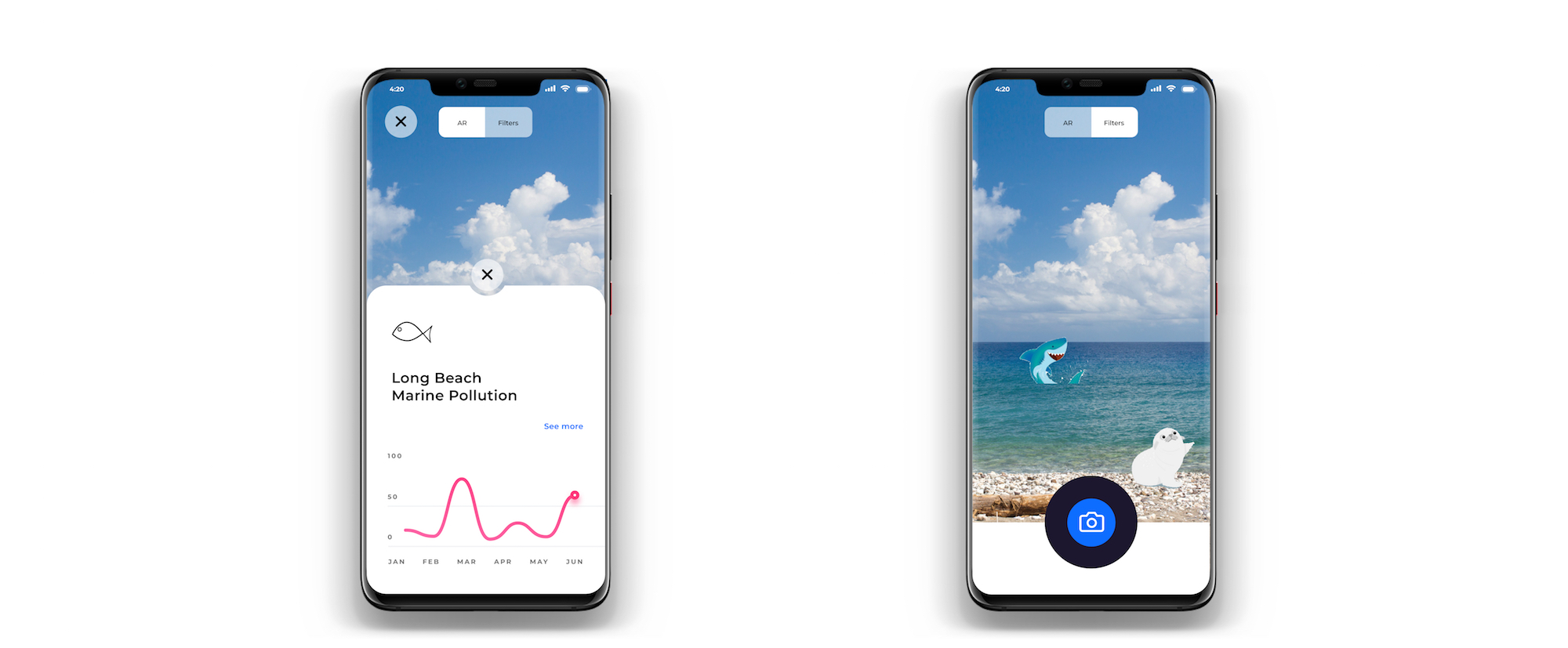
An educational platform which would inform local people to know more about their environment. Specially, about the biggest concerns in Long Beach that pollution causes:
- Land pollution (Plastic)
- Air pollution
- Ocean acidification (PH Level)
- Marine life
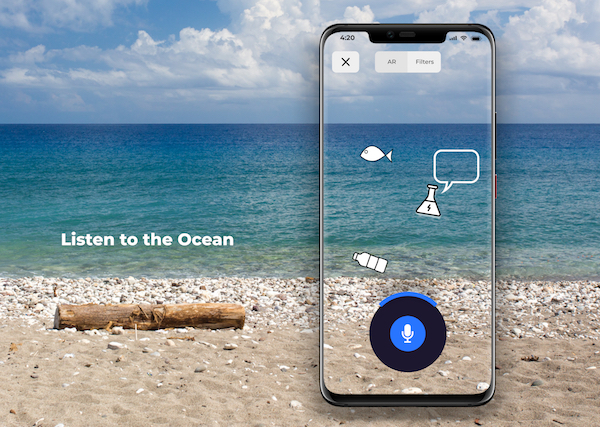
An application with Augmented Reality feature
- Increasing Residents Awareness
- Improving System
- City Engagement
Final Prototype Design
How long Beach community can learn about their urban ocean environment by this entertainment AR application
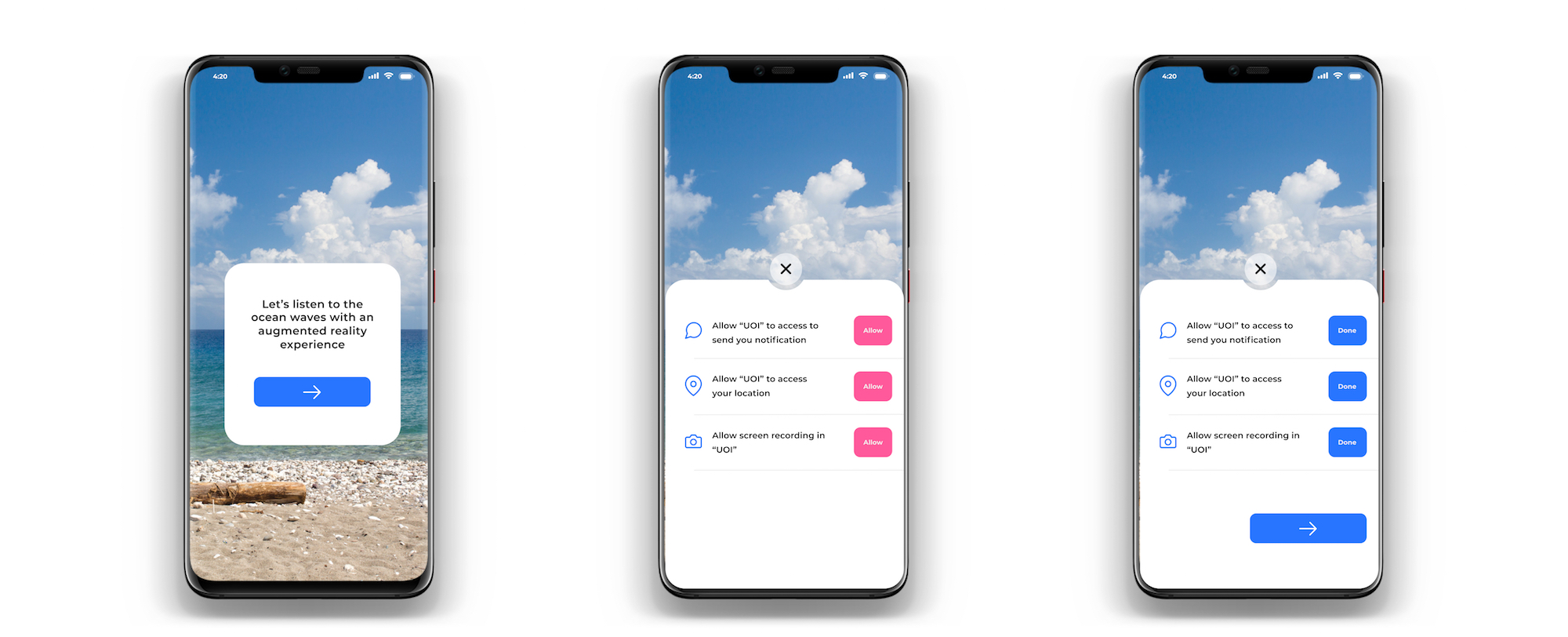
Screens Design
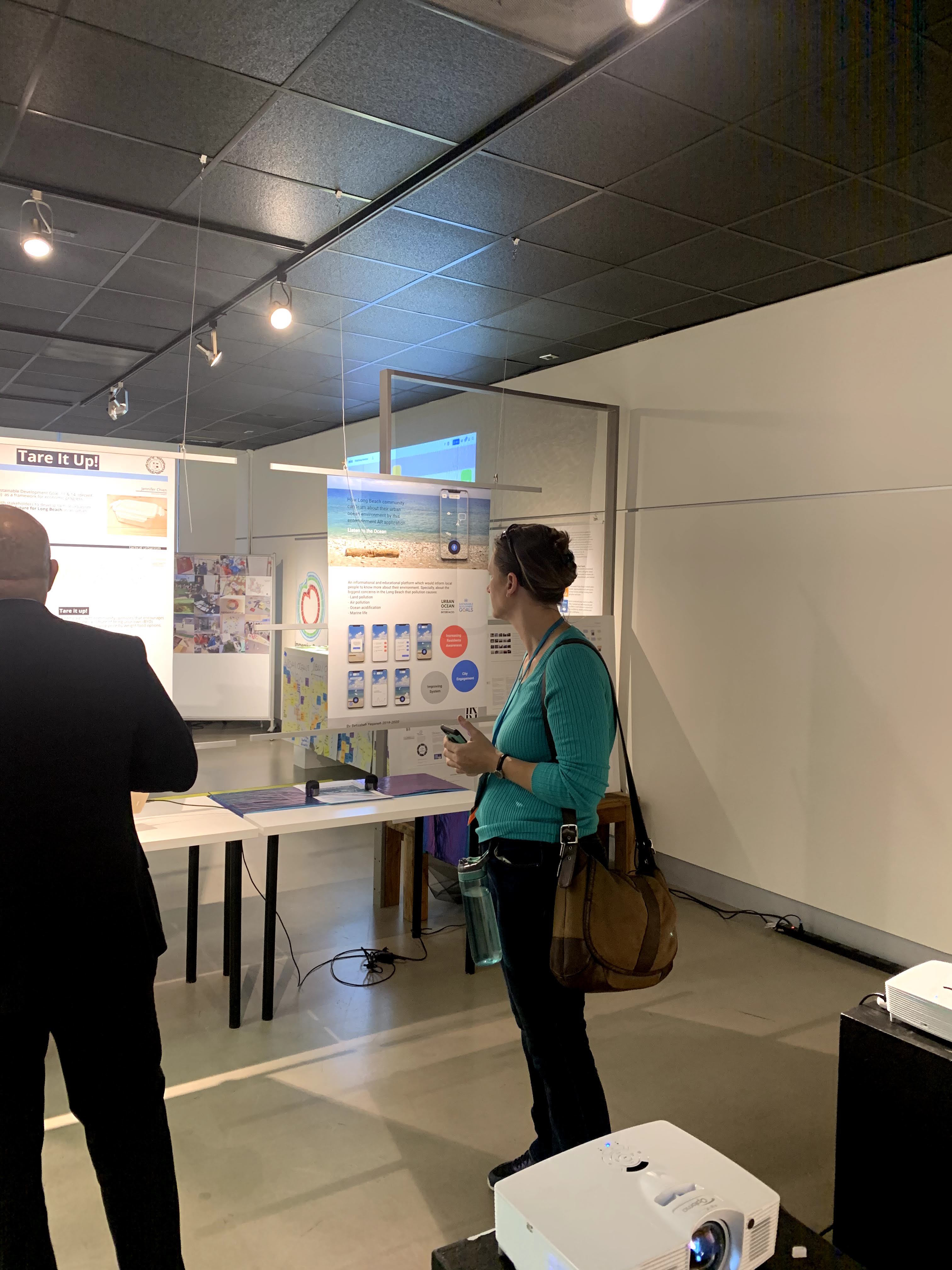
Design Exhibition